
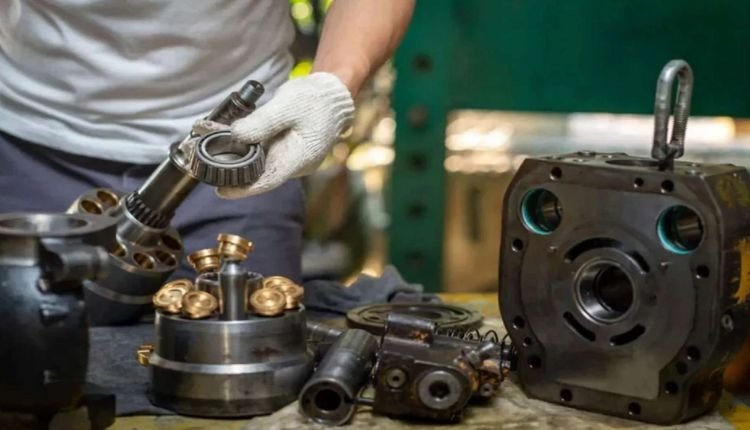
Proactive hydraulic pump maintenance prevents unexpected system breakdowns, eliminates expensive downtime, and extends the operational lifespan of your heavy machinery. Hydraulic pumps operate under extreme pressure, making them vulnerable to fluid contamination, thermal breakdown, and mechanical wear. Neglecting routine care leads to sudden component failure, which can contaminate the entire fluid circuit and cost tens of thousands of dollars in repairs.
Establishing a disciplined maintenance schedule keeps your equipment running smoothly, preserves system efficiency, and protects your operational bottom line. If you want to understand how heavy machinery lifts massive loads, learning what is hydraulic pump technology, and how it converts mechanical energy into fluid pressure, is essential.
- Controlling Fluid Contamination and Filter Integrity
Particulate contamination causes nearly eighty percent of all hydraulic system failures. Rubber dust, metal shavings, and tiny dirt particles all function as abrasive grit inside the pump casing, deteriorating internal tolerances and cutting precisely machined surfaces. Once clearance gaps expand, the pump loses volumetric efficiency, generating excess heat and reducing fluid flow.
Replacing hydraulic filters at recommended intervals keeps fluid clean and prevents bypass valves from opening. Operating a system with clogged filters allows unfiltered fluid to recirculate directly through the pump, accelerating internal wear. Regular fluid sampling and lab analysis help identify microscopic wear metals early, giving you clear visibility into component health before catastrophic failure occurs.
- Managing Operating Temperatures and Fluid Viscosity
Maintaining proper fluid operating temperatures prevents thermal oxidation and preserves essential lubrication properties. Extreme heat degrades hydraulic oil, causing viscosity loss that leaves metal components sliding against each other without an adequate protective film. High heat also hardens rubber seals and O-rings, leading to external fluid leaks and internal pressure drops.
Checking oil cooler efficiency and keeping cooling fins free of debris prevents heat buildup in the reservoir. Using fluid with the correct viscosity rating for your operating environment ensures smooth fluid intake without starving the pump. Addressing overheating issues immediately protects internal bearings and pistons from heat-induced seizing.
- Preventing Cavitation and Aeration Damage
Stopping air from entering the hydraulic fluid stream prevents severe cavitation erosion on internal pump surfaces. Cavitation occurs when fluid pressure drops below vapor pressure, causing vapor bubbles to form and violently collapse against precision components. This continuous implosive action pits metal surfaces, erodes port plates, and generates destructive metal debris.
Inspecting suction lines, hose clamps, and shaft seals stops air leaks before they damage internal components. Keeping the fluid reservoir filled to the proper level prevents vortexing, which pulls surface air directly into the intake line. Resolving unusual whining noises or spongy actuator responses immediately stops aeration damage before it destroys the pump core.
- Protecting Your Machinery Investment for the Long Term
A well-maintained hydraulic pump serves as the reliable heart of your heavy machinery network. Systematically monitoring fluid cleanliness, managing thermal loads, and sealing intake lines against air intrusion prevents small operational issues from escalating into major repair bills. Investing time into routine checks preserves system pressure, keeps energy consumption predictable, and prevents unexpected job-site shutdowns.
Establishing strict maintenance standards builds operational confidence and maximizes your return on equipment investments. Consistently executing simple tasks like filter changes, oil sampling, and visual inspections ensures your machinery delivers full power whenever you turn the key. Taking care of your hydraulic pumps today keeps your operations moving forward without costly interruptions.