
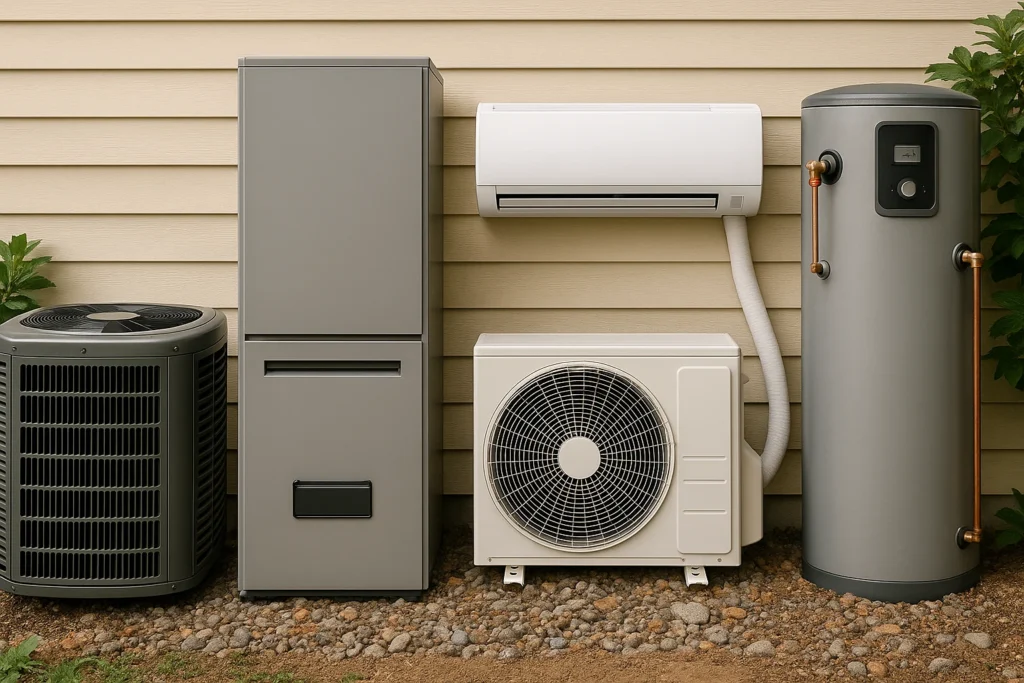
Heating and cooling systems help maintain indoor comfort throughout changing seasons. Whether a home uses a central air conditioner, heat pump, furnace, or another climate-control system, appropriate maintenance supports reliable operation and helps identify developing problems. For a heating and cooling Charlottesville contact Thompson N’ Thompson
Professional heating and cooling contractors provide installation, inspection, repair, and maintenance services tailored to different equipment types.
Understanding Your Heating and Cooling System
Residential climate-control systems vary according to the home’s size, design, climate, and energy requirements.
Common systems include central air conditioning, heat pumps, furnaces, ductless mini-split systems, and packaged units.
Each system has specific operating requirements and maintenance needs. Understanding the equipment installed in your home helps you follow the manufacturer’s recommendations and communicate effectively with technicians.
Recognizing Signs of System Problems
Heating and cooling systems may show warning signs when they require attention.
Examples include unusual noises, weak airflow, inconsistent indoor temperatures, unexpected increases in energy consumption, frequent cycling, or water around equipment.
A system that fails to maintain the desired temperature may have several possible causes, including restricted airflow, thermostat problems, equipment faults, or maintenance issues.
A qualified technician can inspect the system and determine the underlying cause.
Benefits of Preventive Maintenance
Preventive maintenance involves inspecting and servicing equipment before major problems develop.
Depending on the system, maintenance may include checking electrical connections, inspecting components, cleaning appropriate parts, examining condensate drainage, and testing system operation.
Technicians may also check refrigerant-related components where applicable and identify signs of wear.
Maintenance does not guarantee that equipment will never fail, but it can help identify issues and keep service requirements organized.
Improving Airflow and Indoor Comfort
Airflow affects how effectively a heating and cooling system distributes conditioned air.
Dirty filters, obstructed vents, duct problems, and other restrictions may affect system performance.
Homeowners should follow the manufacturer’s instructions for checking and replacing accessible air filters.
Avoid blocking supply or return vents with furniture or other objects.
If some rooms remain uncomfortable despite these steps, a professional can assess whether airflow, insulation, equipment sizing, or other factors require attention.
Understanding Energy Efficiency
Heating and cooling equipment uses energy to maintain indoor temperatures. Energy consumption depends on factors such as equipment efficiency, outdoor conditions, insulation, thermostat settings, and maintenance.
A contractor can explain equipment efficiency ratings and help homeowners understand available replacement options.
Proper equipment sizing is important. A system that is too large or too small for the home may not provide the intended comfort and performance.
When comparing replacement systems, consider installation quality, operating costs, warranty terms, and compatibility with existing equipment.
Choosing a Qualified HVAC Contractor
Before hiring a heating and cooling contractor, review relevant licenses, certifications, insurance, experience, and customer feedback.
Ask whether the business services your equipment type and provides the maintenance or repair work you require.
Request a written estimate that explains labor, parts, diagnostic charges, and any additional costs.
For major installations, ask about equipment sizing, permits, warranties, and the commissioning process.
Preparing for Seasonal Changes
Before periods of extreme heat or cold, check your system’s operating condition and arrange maintenance if needed.
Replace filters according to the manufacturer’s guidance and ensure outdoor equipment has suitable clearance.
Keep thermostat settings practical and monitor unusual changes in performance.
If you suspect a gas leak, carbon monoxide exposure, or another immediate safety hazard, leave the affected area and contact the appropriate emergency service.
Conclusion
Regular heating and cooling maintenance helps homeowners monitor system condition, maintain indoor comfort, and identify potential equipment problems. By following manufacturer recommendations, recognizing warning signs, and working with qualified contractors, homeowners can take a more organized approach to climate-control system care.