
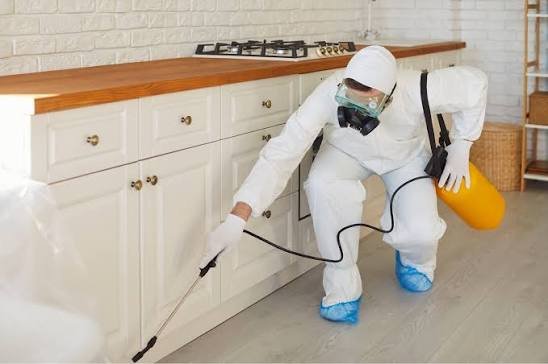
Pests can affect the comfort, cleanliness, and condition of residential and commercial properties. Ants, cockroaches, rodents, termites, mosquitoes, and other pests may enter buildings in search of food, water, shelter, or suitable breeding conditions.
Professional pest control services help identify pest activity, determine possible entry points, and develop appropriate treatment and prevention plans. For Parkersburg pest control contact Elite Pest Management.
Whether you are dealing with a recurring household infestation or protecting a commercial property, understanding pest management can help you respond effectively.
What Is Pest Control?
Pest control is the process of identifying, managing, and reducing unwanted organisms that affect buildings, stored products, gardens, or human activities.
Professional pest management may involve inspection, sanitation recommendations, exclusion methods, monitoring, traps, and carefully selected pesticides.
Many providers use Integrated Pest Management (IPM), an approach that combines different control methods while considering effectiveness, environmental conditions, and exposure risks.
Common Household Pests
Cockroaches
Cockroaches may enter buildings through gaps, drains, deliveries, or neighboring spaces. Food residues, moisture, and clutter can contribute to suitable conditions.
Ants
Ants commonly enter homes while searching for food and water. Identifying entry points and removing accessible food sources can support management.
Rodents
Mice and rats can contaminate food, damage materials, and create sanitation concerns. Effective control often combines exclusion, monitoring, sanitation, and appropriate trapping.
Termites
Termites feed on cellulose-containing materials and can damage wooden structures. Professional inspection may be necessary when signs of activity or damage appear.
Mosquitoes
Mosquito management may involve reducing standing water, maintaining screens, and using appropriate control measures according to local conditions.
How Professional Pest Control Works
A pest control visit commonly begins with an inspection.
The technician identifies the pest, assesses the affected areas, and looks for conditions that may support continued activity.
A treatment plan may include:
- Identifying the pest species.
- Locating entry points and activity areas.
- Assessing sanitation and moisture conditions.
- Selecting suitable control methods.
- Applying treatments according to label requirements.
- Providing prevention recommendations.
- Scheduling follow-up monitoring when necessary.
Treatment requirements differ by pest species, infestation severity, building design, and local regulations.
Why Integrated Pest Management Matters
Integrated Pest Management focuses on understanding the cause of pest activity rather than relying exclusively on repeated pesticide application.
For example, sealing gaps, repairing leaks, storing food properly, and removing waste can help reduce conditions that attract pests.
When pesticides are needed, products should be selected and applied according to their approved labels and relevant safety requirements.
When Should You Contact a Pest Control Professional?
Consider professional assistance when:
- Pest activity continues despite basic prevention measures.
- You notice signs of termites or structural damage.
- Rodents are entering living or food-storage areas.
- Pest activity affects a business or food-handling environment.
- You cannot confidently identify the pest.
- Treatment requires specialized equipment or regulated products.
Professional assistance is particularly useful when an infestation is widespread or recurring.
Choosing a Pest Control Company
Before hiring a provider, ask about licensing requirements, insurance, treatment methods, service guarantees, and follow-up arrangements.
A professional technician should explain the proposed treatment, preparation requirements, safety precautions, and any necessary restrictions for children, pets, or occupants.
Request a written service description and clarify what is included in the quoted price.
Preventing Future Pest Problems
Simple property-maintenance practices can reduce pest opportunities.
Keep food in sealed containers, clean spills promptly, remove accumulated waste, repair leaks, maintain door seals, and close gaps around pipes or utility openings.
Inspect storage areas periodically and avoid allowing unnecessary clutter to accumulate.
Conclusion
Professional pest control helps homeowners and businesses identify pest problems, apply appropriate management methods, and reduce conditions that encourage recurring infestations.
Combining professional inspection with practical prevention measures can support a cleaner, more comfortable, and better-maintained property.