
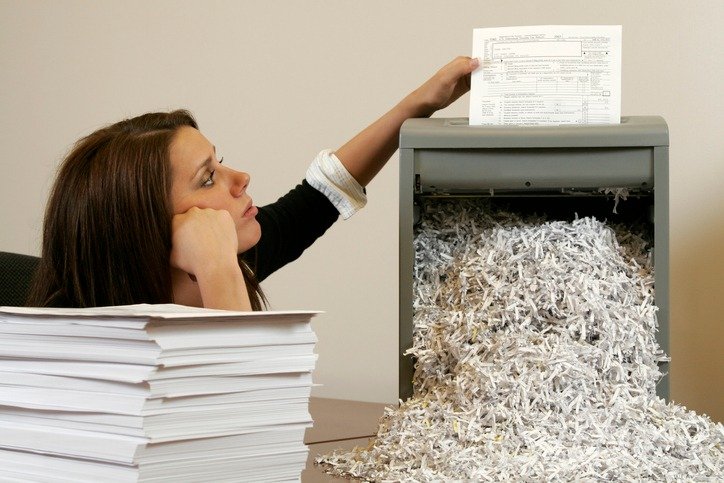
Every home and business accumulates paper: bank statements, medical forms, tax records, old contracts, and employee files. When these documents reach the end of their usefulness, how you dispose of them matters. Tossing them into the trash or recycling bin can expose sensitive information to identity thieves. Looking for Charlottesville document shredding contact 1st Choice Shredding.
The Risk of Improper Disposal
Identity theft doesn’t always happen through sophisticated hacking. Discarded paperwork, sometimes called dumpster diving, remains a real source of personal data. A single bill or pre-approved credit offer can contain enough information to open fraudulent accounts. For businesses, a leaked client file can lead to lawsuits, fines, and lost trust.
Legal and Regulatory Requirements
Many industries are bound by privacy laws that govern how information is handled and destroyed. Healthcare providers, financial institutions, law firms, and schools face strict requirements. Even small businesses may be responsible for protecting customer and employee data under various state and federal rules. Secure destruction is part of demonstrating compliance.
Types of Shredding Services
On-site shredding: A truck comes to your location, and your documents are shredded while you watch. This offers maximum transparency and is popular with organizations that want visible proof of destruction.
Off-site shredding: Materials are collected in locked containers and transported to a secure facility. This is often more economical, especially for regular pickups.
Drop-off shredding: Individuals and small businesses can bring papers to a local facility. It’s convenient for occasional cleanouts.
Scheduled service: Locked bins are placed in your office and emptied on a regular cycle, keeping staff from accumulating clutter or guessing what’s safe to throw away.
What You Should Shred
When in doubt, shred. Common items include:
- Bank and credit card statements
- Tax returns and supporting records
- Medical and insurance documents
- Pay stubs and employment records
- Contracts and legal papers
- Customer lists and invoices
- Expired IDs and old passports
Certificate of Destruction
Reputable shredding companies provide a certificate confirming that your documents were destroyed securely. This record can be valuable if you ever need to demonstrate compliance during an audit.
Environmental Benefits
Shredded paper is typically recycled, so secure destruction doesn’t have to conflict with sustainability. Ask your provider whether they recycle shredded material and how it is processed.
Choosing a Provider
Look for companies with trained, background-checked employees, secure chain-of-custody procedures, and insurance. Industry certifications can signal a commitment to proper standards. Ask about particle size, since finer shreds provide greater security.
Building a Retention Policy
Shredding works best alongside a clear retention schedule. Some records must be kept for years, while others can be destroyed sooner. Define how long each category of document is retained, then destroy materials on schedule. Consult an attorney or accountant about requirements specific to your situation.
At-Home Tips
For households, a cross-cut shredder handles routine paper, while an annual shred day or community event can manage larger piles. Never leave bags of unshredded documents at the curb.
The Bottom Line
Document shredding is a small step with significant protection. Whether you’re clearing out a filing cabinet or managing a company’s records, secure destruction safeguards privacy, supports compliance, and gives you peace of mind.