
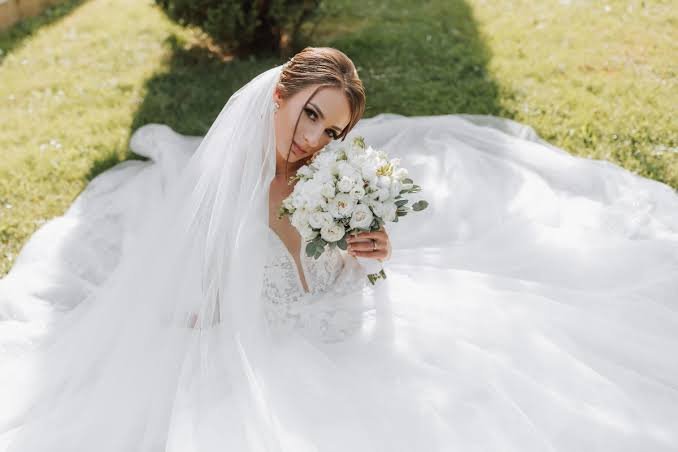
Wedding photography is about more than taking attractive pictures. It is about preserving the emotions, relationships, traditions, and small details that make a wedding celebration meaningful. From the excitement of getting ready to the final moments of the reception, every wedding has a unique story worth documenting. If you are searching for wedding photographers Loudon County call Jessica Smith Photographer.
Couples who understand the basics of wedding photography planning can work more effectively with their photographer and create opportunities for memorable photographs.
Why Wedding Photography Planning Matters
A wedding day often includes several events, different locations, and a detailed schedule. Without preparation, important photographs can become difficult to capture, especially when the ceremony and reception follow a tight timeline.
Planning helps couples identify their priorities and communicate them clearly.
Some couples may want a large collection of family portraits, while others prefer candid photographs that capture the atmosphere of the celebration. Some may prioritize cultural traditions, religious ceremonies, or photographs with relatives traveling from overseas.
Sharing these preferences early gives the photographer an opportunity to prepare the appropriate equipment, timeline, and photography approach.
Create a Wedding Photography Checklist
A photography checklist can help organize the most important moments of the day.
Although every wedding is different, a general checklist may include:
- Wedding rings, invitations, and meaningful accessories.
- Getting-ready photographs.
- Couple portraits before or after the ceremony.
- Ceremony and vow exchange.
- Family and group photographs.
- Wedding decorations and reception details.
- Speeches, dances, and celebrations.
- Candid photographs of guests.
The checklist should reflect the couple’s priorities rather than include every possible photograph.
A short, organized list is often easier to manage than an extensive collection of poses that may interrupt the natural flow of the event.
Make Time for Couple Portraits
Couple portraits are an important part of many wedding photography collections.
These photographs may take place before the ceremony, during a scheduled break, or after the formal celebrations.
Choose a location that feels comfortable and complements the wedding’s atmosphere. A garden, historic building, beach, or elegant indoor space may provide suitable surroundings, depending on the venue.
Discuss the preferred portrait style with the photographer. Some couples enjoy gently directed poses, while others prefer natural interactions and movement.
Allow enough time for portraits without making the wedding schedule feel rushed.
Use Natural Light Thoughtfully
Lighting has a major influence on the appearance of wedding photographs.
Outdoor ceremonies may benefit from soft natural light, while indoor venues may require a combination of available lighting and professional photographic equipment.
The position of the sun, weather conditions, and surrounding architecture can all affect the final images.
A photographer can help identify suitable locations and timing for portraits. For example, softer light near sunset may create a different atmosphere from strong midday sunlight.
However, good photographs are possible in many lighting conditions when the photographer understands how to work with the environment.
Organize Family Wedding Photographs
Family photographs can become complicated when many relatives want to participate.
Preparing a family portrait list helps reduce confusion and ensures that important combinations are included.
Assigning a family member or trusted friend to help gather people can make the process more efficient. This person should know the key relatives and understand the planned order of photographs.
If elderly relatives or guests have mobility needs, consider accessible locations and minimize unnecessary movement.
Clear communication helps family portraits feel organized without taking too much time away from the celebration.
Capture Candid Wedding Moments
Candid photography documents genuine interactions rather than relying entirely on planned poses.
These images might show friends laughing during the reception, relatives sharing a quiet conversation, or guests reacting to a memorable speech.
Couples can encourage candid photographs by allowing guests to enjoy the celebration naturally.
An experienced photographer may move discreetly through the event, observing interactions and anticipating meaningful moments.
Candid photography does not mean every image must be unplanned. A thoughtful combination of spontaneous moments and essential formal photographs can create a complete visual record.
Prepare for Unexpected Weather
Outdoor weddings can be affected by rain, wind, changing temperatures, or unexpected lighting conditions.
Couples should discuss contingency plans with their photographer and venue.
A covered outdoor area, indoor portrait location, or flexible schedule can help keep photography moving if conditions change.
For beach or garden weddings, consider whether the photographer needs protective equipment for cameras and lighting.
Planning alternatives can reduce stress and help preserve the celebration’s atmosphere.
Communicate Clearly With Your Photographer
Good communication is essential before, during, and after a wedding.
Provide the photographer with the event schedule, venue details, important traditions, and a list of essential photographs.
Discuss image delivery expectations, editing preferences, backup procedures, and any restrictions on photography at the venue.
Couples should also identify a point of contact who can communicate schedule changes during the event.
Conclusion
Beautiful wedding photographs are the result of thoughtful preparation, clear communication, and an approach that reflects the couple’s personality.
By creating a practical checklist, organizing family portraits, considering lighting, and allowing room for candid moments, couples can help their photographer capture a meaningful record of the celebration.
The most memorable wedding photography often combines carefully planned portraits with genuine moments that happen naturally throughout the day.