
The exterior of a home plays an important role in its appearance, protection, and long-term maintenance requirements. Homeowners looking to improve their property's exterior often consider vinyl siding because of its versatility, range of design options, and relatively straightforward maintenance. Vinyl siding is manufactured primarily from polyvinyl chloride (PVC) and is available in different colors, textures, profiles, and finishes. It can provide a clean and attractive appearance while helping protect exterior walls from normal weather exposure. What Is Vinyl Siding? Vinyl siding is an exterior cladding material installed over the outside walls of residential and certain commercial buildings. It is available in traditional horizontal panels, vertical styles, and decorative profiles that can complement different architectural designs. Homeowners can choose from options that resemble painted wood, traditional clapboard, or other exterior finishes. This flexibility makes vinyl siding suitable for many types of properties. Benefits of Installing Vinyl Siding 1. Low Maintenance Requirements One of the main advantages of vinyl siding is that it generally requires less maintenance than painted wood siding. It does not require routine repainting, although periodic cleaning and inspections remain important. 2. Wide Range of Design Choices Vinyl siding comes in numerous colors, textures, and styles. Homeowners can select a traditional appearance or choose a more contemporary exterior design. 3. Moisture Resistance Properly installed vinyl siding can help protect exterior walls from rain and moisture exposure. However, it should not be considered a replacement for appropriate weather barriers, flashing, or a properly designed drainage system. 4. Cost Considerations Vinyl siding is often considered an economical exterior cladding option compared with certain premium materials. Actual installation costs depend on the building's size, existing conditions, product quality, and labor requirements. 5. Versatile Applications It can be used on many residential architectural styles, making it a flexible option for exterior renovation projects. Understanding the Installation Process A successful vinyl siding installation begins with a careful inspection of the existing exterior. Contractors should examine the wall structure, remove damaged materials where necessary, and address underlying moisture problems before installing new siding. A suitable weather-resistant barrier and properly installed flashing help manage water intrusion. The siding panels are then measured, cut, and secured according to manufacturer specifications. Correct spacing and fastening are important because vinyl expands and contracts with temperature changes. Poor installation can result in buckling, loose panels, or other performance problems. Choosing the Right Vinyl Siding Selecting the right product requires considering appearance, durability, thickness, insulation options, and warranty coverage. Homeowners should compare manufacturer specifications rather than relying only on appearance. Insulated vinyl siding may offer additional thermal benefits in certain applications, but overall energy performance also depends on insulation, air sealing, windows, and the building envelope. Color selection is another important consideration. Neutral shades can create a timeless appearance, while darker or contrasting colors may produce a more distinctive exterior. Maintaining Vinyl Siding Although vinyl siding is relatively easy to maintain, it still benefits from regular care. Clean the surface periodically using suitable cleaning methods recommended by the manufacturer. Inspect for cracks, loose panels, and damage after severe weather. Avoid excessive pressure when washing, as high-pressure water can enter behind the siding and cause moisture problems. Damaged panels should be replaced promptly to maintain the exterior's appearance and protective function. Hiring a Professional Siding Contractor Professional installation can help ensure that siding is properly measured, secured, and integrated with the property's weather protection system. Before hiring a contractor, review previous projects, request a detailed estimate, confirm insurance coverage, and ask about product warranties. A reliable contractor should explain the installation process and identify any existing exterior problems that need attention. Conclusion Vinyl siding is a versatile exterior improvement option that combines design flexibility with relatively low maintenance requirements. By selecting suitable materials, ensuring professional installation, and following basic maintenance practices, homeowners can improve their property's appearance and exterior protection. Careful planning helps create a durable and attractive result.a

A Practical Exterior Solution for Residential Properties

Spread the love

The exterior of a home plays an important role in its appearance, protection, and long-term maintenance requirements. Homeowners looking to improve their property’s exterior often consider vinyl siding because of its versatility, range of design options, and relatively straightforward maintenance.

Vinyl siding is manufactured primarily from polyvinyl chloride (PVC) and is available in different colors, textures, profiles, and finishes. It can provide a clean and attractive appearance while helping protect exterior walls from normal weather exposure. For replacement windows Lynchburg contact Sunburst Vinyl Supply.

What Is Vinyl Siding?

Vinyl siding is an exterior cladding material installed over the outside walls of residential and certain commercial buildings.

It is available in traditional horizontal panels, vertical styles, and decorative profiles that can complement different architectural designs.

Homeowners can choose from options that resemble painted wood, traditional clapboard, or other exterior finishes. This flexibility makes vinyl siding suitable for many types of properties.

Benefits of Installing Vinyl Siding

1. Low Maintenance Requirements

One of the main advantages of vinyl siding is that it generally requires less maintenance than painted wood siding. It does not require routine repainting, although periodic cleaning and inspections remain important.

2. Wide Range of Design Choices

Vinyl siding comes in numerous colors, textures, and styles. Homeowners can select a traditional appearance or choose a more contemporary exterior design.

3. Moisture Resistance

Properly installed vinyl siding can help protect exterior walls from rain and moisture exposure. However, it should not be considered a replacement for appropriate weather barriers, flashing, or a properly designed drainage system.

4. Cost Considerations

Vinyl siding is often considered an economical exterior cladding option compared with certain premium materials. Actual installation costs depend on the building’s size, existing conditions, product quality, and labor requirements.

5. Versatile Applications

It can be used on many residential architectural styles, making it a flexible option for exterior renovation projects.

Understanding the Installation Process

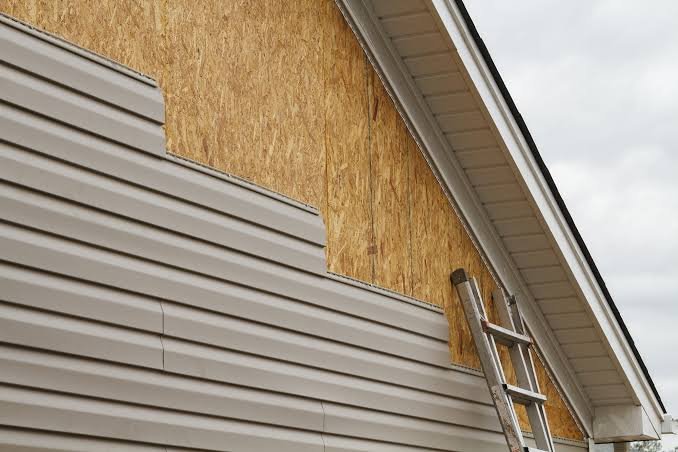
A successful vinyl siding installation begins with a careful inspection of the existing exterior.

Contractors should examine the wall structure, remove damaged materials where necessary, and address underlying moisture problems before installing new siding.

A suitable weather-resistant barrier and properly installed flashing help manage water intrusion.

The siding panels are then measured, cut, and secured according to manufacturer specifications. Correct spacing and fastening are important because vinyl expands and contracts with temperature changes.

Poor installation can result in buckling, loose panels, or other performance problems.

Choosing the Right Vinyl Siding

Selecting the right product requires considering appearance, durability, thickness, insulation options, and warranty coverage.

Homeowners should compare manufacturer specifications rather than relying only on appearance.

Insulated vinyl siding may offer additional thermal benefits in certain applications, but overall energy performance also depends on insulation, air sealing, windows, and the building envelope.

Color selection is another important consideration. Neutral shades can create a timeless appearance, while darker or contrasting colors may produce a more distinctive exterior.

Maintaining Vinyl Siding

Although vinyl siding is relatively easy to maintain, it still benefits from regular care.

Clean the surface periodically using suitable cleaning methods recommended by the manufacturer. Inspect for cracks, loose panels, and damage after severe weather.

Avoid excessive pressure when washing, as high-pressure water can enter behind the siding and cause moisture problems.

Damaged panels should be replaced promptly to maintain the exterior’s appearance and protective function.

Hiring a Professional Siding Contractor

Professional installation can help ensure that siding is properly measured, secured, and integrated with the property’s weather protection system.

Before hiring a contractor, review previous projects, request a detailed estimate, confirm insurance coverage, and ask about product warranties.

A reliable contractor should explain the installation process and identify any existing exterior problems that need attention.

Conclusion

Vinyl siding is a versatile exterior improvement option that combines design flexibility with relatively low maintenance requirements. By selecting suitable materials, ensuring professional installation, and following basic maintenance practices, homeowners can improve their property’s appearance and exterior protection. Careful planning helps create a durable and attractive result.