
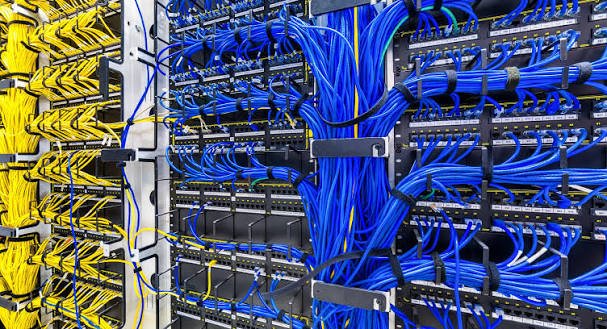
Reliable network connectivity is essential for modern businesses, educational institutions, healthcare facilities, and residential environments. Computers, printers, servers, security cameras, wireless access points, and communication systems depend on stable connections to exchange information efficiently. Professional network cabling provides the physical infrastructure that supports these technologies. For voip phones Greensboro call Applied Telecom, Inc..
What Is Network Cabling?
Network cabling refers to the physical cables and related components used to connect devices within a computer network. These connections allow information to travel between computers, switches, routers, servers, and other network equipment.
A properly designed cabling system helps organizations maintain reliable communication, organize equipment, and support future technology requirements.
Network infrastructure is particularly important for businesses that depend on cloud applications, video conferencing, data sharing, and digital communication.
Common Types of Network Cables
Different cable types serve different networking purposes.
Cat5e Cable: Category 5e cabling is commonly used in existing Ethernet networks. It supports Gigabit Ethernet under suitable installation conditions.
Cat6 Cable: Category 6 provides improved performance characteristics and is widely used in business and residential networking installations.
Cat6a Cable: Category 6a supports higher-performance Ethernet applications over standard copper Ethernet distances and is often selected for demanding commercial environments.
Fiber Optic Cable: Fiber uses light to transmit information and is suitable for high-bandwidth connections and longer distances. It is frequently used for backbone networks and connections between buildings.
Selecting the right cable depends on bandwidth requirements, distance, environment, equipment compatibility, and future expansion plans.
Benefits of Professional Network Cabling
A professionally installed network cabling system helps reduce connection problems caused by poor cable management, unsuitable materials, and incorrect installation practices.
Organized cabling also makes troubleshooting easier. Proper labeling allows technicians to identify individual connections without spending unnecessary time tracing cables.
Businesses can benefit from structured cabling because it provides a more organized foundation for adding devices, expanding departments, and upgrading network equipment.
Structured Cabling Design
Structured cabling is an organized approach to designing network infrastructure. It typically includes telecommunications rooms, patch panels, network outlets, cable pathways, and equipment connections.
A structured design helps maintain consistency throughout a building.
Before installation, technicians may review floor plans, equipment locations, network requirements, and available pathways. This planning helps determine cable routes and suitable installation points.
Proper separation from electrical systems and attention to environmental conditions can also improve safety and performance.
Network Cabling for Commercial Buildings
Offices, warehouses, retail stores, hospitals, and educational facilities have different connectivity requirements.
Office environments may need connections for computers, printers, conference rooms, and wireless access points. Warehouses may require network connections for inventory systems and security equipment.
Healthcare facilities often need dependable connectivity for administrative systems and approved medical technology.
Professional installers should understand the specific requirements of each environment.
Testing and Maintenance
Installing cables is only one part of the process. Testing helps verify that connections meet the required performance standards.
Technicians may test continuity, wire mapping, signal performance, and fiber connections using appropriate equipment.
Documentation and labeling should also be completed so future technicians can maintain or expand the system efficiently.
Choosing a Network Cabling Contractor
Before hiring a contractor, review technical experience, installation standards, previous projects, insurance, and testing procedures.
Ask whether the contractor provides cable certification, labeling, documentation, and post-installation support.
Conclusion
Network cabling provides the foundation for dependable digital communication. By choosing appropriate materials, planning structured installations, and arranging professional testing, organizations can build network infrastructure that supports current operations and future technology growth.