
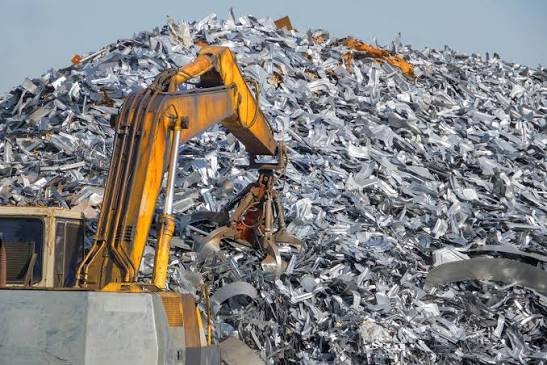
Metal is widely used in construction, transportation, manufacturing, electronics, appliances, and everyday household products. When these products reach the end of their useful life, their metal components do not necessarily need to become waste. For Central VA metal recyling call BRC Co, Inc..
Metal recycling provides a practical way to recover valuable materials and return them to manufacturing processes. It supports resource conservation, reduces landfill waste, and creates opportunities for more efficient material management.
What Is Metal Recycling?
Metal recycling is the process of collecting, sorting, processing, and reusing scrap metal to manufacture new products.
Common recyclable metals include steel, aluminum, copper, brass, and certain stainless steel alloys.
These materials can often be recovered from old vehicles, machinery, construction materials, electrical equipment, household appliances, and industrial production waste.
Because many metals can be recycled repeatedly without losing their essential material properties, recycling plays an important role in the circular economy.
How the Metal Recycling Process Works
The recycling process generally involves several stages.
1. Collection
Scrap metal is collected from residential, commercial, construction, and industrial sources. Collection systems may include recycling centers, scrap dealers, and specialized waste management providers.
2. Sorting
Materials are separated according to metal type, grade, and composition. Magnets are commonly used to separate ferrous metals such as iron and steel from nonferrous materials.
3. Processing
Collected metals may be cut, shredded, crushed, or prepared for further processing. This reduces material size and makes transportation and melting more efficient.
4. Melting and Refining
Prepared scrap is processed in suitable industrial facilities. Depending on the metal and required quality, additional refining may be necessary to remove impurities.
5. Manufacturing
Recovered metal is converted into raw material for manufacturing new products, construction components, machinery, packaging, and other applications.
Environmental Benefits of Recycling Metal
Metal recycling helps reduce the need for extracting and processing new raw materials.
Mining activities can disturb land, consume water, and create environmental impacts. Recovering existing metals can help reduce pressure on natural resources.
Recycling can also require less energy than producing certain metals from virgin materials. The actual savings depend on the metal type, processing technology, and energy source.
Another important benefit is waste reduction. Instead of sending usable metal products to landfills, recycling allows materials to remain in productive use.
Economic Benefits of Metal Recycling
Scrap metal has commercial value, creating opportunities for recycling businesses, manufacturers, and material collectors.
Recycling facilities support employment in collection, transportation, sorting, processing, and manufacturing.
Businesses can also recover value from production scrap and unwanted metal equipment.
Efficient scrap management may help companies reduce waste disposal costs and improve material utilization.
Ferrous and Nonferrous Metals
Understanding metal categories is important for effective recycling.
Ferrous metals contain iron and include common materials such as steel and cast iron. They are often used in buildings, vehicles, machinery, and infrastructure.
Nonferrous metals include aluminum, copper, brass, and other materials. They are commonly used in electrical systems, plumbing, transportation, and manufacturing.
Different metals have different market values and processing requirements, so accurate sorting is important.
Choosing a Metal Recycling Provider
When selecting a recycling facility, consider its accepted materials, processing capabilities, pricing transparency, safety practices, and environmental compliance.
Businesses should ask about collection services, material documentation, transportation, and handling requirements.
Hazardous components, batteries, electronic waste, and contaminated materials may require separate management.
Responsible Recycling Practices
Before recycling metal items, remove nonmetal components when appropriate and follow the recycling provider’s instructions.
Never dismantle hazardous equipment without suitable training. Certain industrial materials may contain oils, chemicals, refrigerants, or other substances that require specialized handling.
Conclusion
Metal recycling supports resource conservation, waste reduction, and responsible manufacturing. Through proper collection, sorting, processing, and reuse, valuable materials can remain in circulation instead of being discarded. Choosing responsible recycling services helps individuals and businesses contribute to a more efficient and sustainable materials economy.