
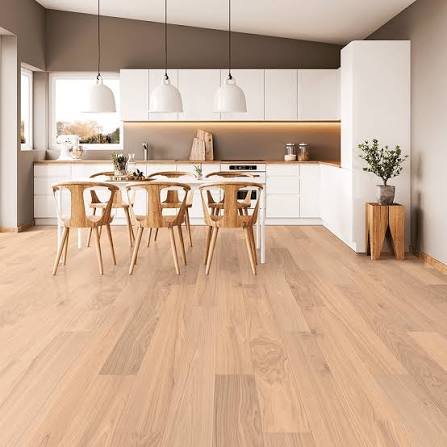
Flooring is a major part of interior design that affects a property’s appearance, comfort, durability, maintenance needs, and functionality. The best flooring material depends on the room, moisture exposure, household activity, installation conditions, and available budget. Central VA Flooring is a flooring store Lynchburg, VA.
What Are the Main Types of Flooring?
Different flooring materials offer different benefits.
Hardwood flooring provides a natural appearance and may be refinished depending on its construction and condition.
Laminate flooring uses a layered construction with a decorative surface designed to resemble wood or other materials.
Luxury vinyl flooring is available in several formats and can offer practical water resistance, depending on the product and installation.
Tile flooring is often used in kitchens, bathrooms, and entryways because many tile products resist moisture and clean easily.
Carpet provides softness and can improve comfort in bedrooms and living areas.
Engineered wood combines a real wood surface with a layered core, offering different installation and stability characteristics from solid hardwood.
How Do You Choose Flooring for Different Rooms?
Consider moisture, traffic, cleaning requirements, comfort, and appearance.
Bathrooms and laundry areas generally require flooring designed for wet conditions and suitable waterproofing details. Kitchens need surfaces that can handle spills and frequent cleaning.
Living rooms may prioritize appearance and comfort, while entryways often need durable materials that tolerate dirt and heavy traffic.
Homes with pets or young children may benefit from surfaces that are easier to clean and less vulnerable to scratches.
Why Is Professional Flooring Installation Important?
Proper installation affects durability, appearance, and long-term performance.
Installers must evaluate the subfloor, moisture conditions, room dimensions, expansion requirements, and manufacturer’s instructions.
Uneven subfloors, excessive moisture, incorrect adhesives, or inadequate expansion gaps can lead to buckling, gaps, cracking, or premature failure.
Before installation, confirm whether old flooring removal, furniture relocation, trim work, and disposal are included in the estimate.
How Much Does New Flooring Cost?
Flooring costs depend on material, room size, subfloor preparation, installation complexity, transitions, trim, and removal of existing materials.
Compare quotes that include similar products and services. A lower material price may not produce the lowest total project cost if the product requires more preparation or specialized installation.
Frequently Asked Questions
Which flooring is easiest to maintain?
Many vinyl, tile, and laminate products are relatively easy to maintain, but care requirements vary by product and installation.
Is waterproof flooring necessary?
Water-resistant or waterproof products may be useful in moisture-prone areas, but correct installation and leak prevention remain important.
How long does flooring installation take?
Small projects may take a day or two, while larger installations and subfloor repairs can require more time.