
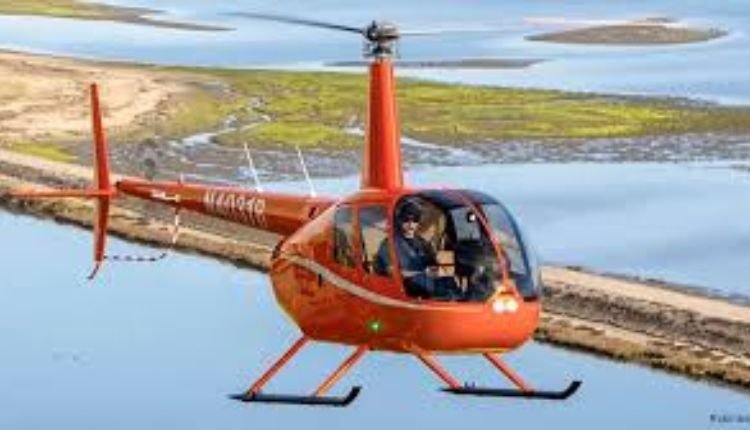
For many people, the idea of flying a helicopter carries a special kind of appeal. It is not just about being in the air. It is about precision, control, and the ability to move in ways that other aircraft cannot. A helicopter can hover in place, land in tight locations, and operate in conditions that demand sharp judgment and refined skill. That is exactly why helicopter courses continue to attract students who want a more dynamic and hands-on aviation path.
Learning to fly a helicopter is both exciting and demanding. It requires technical understanding, steady coordination, strong situational awareness, and a willingness to build skill step by step. Unlike more familiar fixed-wing training, rotorcraft instruction asks students to adapt to a machine that responds differently and often more immediately to pilot input. That challenge is part of what makes the experience so rewarding.
For aspiring aviators, helicopter training can open the door to a wide range of careers. Some graduates go on to work in tourism, emergency medical transport, agriculture, utility operations, law enforcement, or search and rescue. Others pursue flight instruction or specialized commercial roles. No matter the end goal, the quality of training matters from the very beginning.
Understanding how helicopter courses are structured, what skills they teach, and how to choose the right school can make the journey much clearer. With the right foundation, students can move from curiosity to competence in a field that remains one of the most distinctive corners of aviation.
Why Helicopter Flying Stands Apart
Helicopters are unlike fixed-wing aircraft in both design and behavior. A plane generally depends on forward motion to generate lift, while a helicopter creates lift through rotating blades that allow vertical takeoff, hovering, and controlled descent. That difference changes not only how the aircraft flies, but how the pilot thinks.
Rotorcraft demand constant attention. Small control inputs can create immediate changes in position, altitude, or heading. A pilot must learn to manage those changes smoothly and continuously. Rather than settling into the more stable cruise patterns associated with airplanes, helicopter pilots often work in a more active and responsive flight environment.
The Appeal of Vertical Flight
One of the biggest advantages of helicopter flight is flexibility. Helicopters can operate in places where runways are unavailable or impractical. They can land near remote work sites, assist in rescue operations, and access terrain that would be difficult for many other aircraft.
That versatility is one reason helicopter flying appeals to people who want a career that feels both technical and meaningful. In many roles, the helicopter is not just transportation. It is an essential working tool.
A Different Kind of Flying Experience
Helicopter training also appeals to people who enjoy precision. Hovering, low-speed maneuvering, confined-area operations, and emergency procedures all require close control and strong awareness. Students who enjoy an active cockpit experience often find helicopter training especially engaging.
That does not mean it is easy. In fact, the learning curve can be steep. But for many pilots, that challenge is exactly what makes the accomplishment so satisfying.
What Helicopter Courses Usually Include
Most helicopter courses are built around two core parts: ground school and flight training. These two elements work together. One develops knowledge, while the other turns that knowledge into practical ability.
A student cannot rely on flight time alone. Safe helicopter operation depends on understanding the aircraft, the environment, and the rules that govern aviation.
Ground School and Technical Foundations
Ground school covers the academic side of training. Students learn about aerodynamics, weather, navigation, flight planning, aircraft systems, airspace, regulations, and communication procedures. In helicopter programs, there is also a strong emphasis on rotor systems, flight controls, and the unique handling characteristics of vertical flight.
These lessons give students the framework they need before and during actual flying. A pilot must understand why the helicopter behaves the way it does, not just how to move the controls.
Flight Hours and Practical Skill Building
Flight training is where the concepts become real. Under the supervision of a certified instructor, students begin learning the essential maneuvers that define helicopter flight. Early lessons often include hovering, takeoffs, landings, climbing, descending, and coordinated turns.
As training progresses, students practice navigation, emergency procedures, confined-area operations, and more advanced handling. Each lesson builds on the last. Over time, students develop the coordination and judgment required to manage the aircraft safely.
In most cases, helicopter courses include a required minimum number of flight hours for licensing, though many students need additional hours to reach full readiness and confidence.
Understanding the Main Licensing Path
For most students, helicopter training follows a staged licensing process. The first major goal is usually the private pilot certificate, followed by more advanced qualifications for those who want to fly professionally.
Each stage adds knowledge, responsibility, and flight experience.
Private Pilot Training
A private helicopter license allows a person to fly for personal, non-commercial purposes. This is often the starting point for those who want to experience rotorcraft flight, build aviation skills, or prepare for later commercial training.
At this stage, students focus on core aircraft control, safety procedures, airspace knowledge, and navigation. They must typically pass a written knowledge exam, a practical flight test, and a medical evaluation, depending on the applicable authority and license type.
Private training forms the base for everything that follows. A student who develops strong habits here is usually better prepared for more advanced work later.
Commercial and Advanced Ratings
Students who want to turn flying into a career usually continue into commercial training. A commercial license expands both skill requirements and operational expectations. Pilots learn more advanced maneuvers, build additional flight hours, and prepare for professional standards of performance.
Some may also pursue an instrument rating, which trains them to fly using instruments in reduced-visibility conditions when authorized and appropriate. Others move on to instructor certification, which allows them to teach new students while building experience.
This progression is one reason helicopter courses can support both hobby-based and career-focused students. The path can begin with simple interest and grow into a professional track.
The Skills Students Learn Along the Way
Good helicopter training does more than teach someone how to get off the ground. It develops a collection of technical and decision-making skills that shape a safe pilot.
Each lesson adds both physical coordination and mental discipline.
Aircraft Control and Precision Maneuvering
One of the first major skills students work on is controlled hovering. This sounds simple from the outside, but it is often one of the most challenging early tasks in helicopter training. Maintaining a stable hover requires coordinated use of the collective, cyclic, and pedals, all at once.
Students also learn normal and crosswind takeoffs and landings, traffic patterns, altitude control, turning techniques, and smooth transitions between maneuvers. Over time, they become more comfortable managing the aircraft without overcorrecting.
Navigation, Communication, and Planning
A helicopter pilot must also know how to move safely through airspace. That includes reading charts, planning routes, understanding landmarks, monitoring weather, and communicating with air traffic control when necessary.
These are not secondary skills. They are essential to real-world flying. A pilot who can control the aircraft but cannot plan, communicate, or adapt to changing conditions is not ready for independent operation.
Emergency Awareness and Risk Management
Emergency training is one of the most important parts of helicopter instruction. Students learn how to respond to system failures, unexpected weather, and other abnormal situations. One of the most well-known examples is autorotation, which allows a helicopter to descend safely if engine power is lost.
Just as important as the maneuver itself is the mindset behind it. Students are trained to stay calm, analyze quickly, and respond with discipline. That ability can define the difference between a manageable problem and a dangerous situation.
How to Choose the Right Helicopter School
Not all training programs are equal, and the school a student chooses can shape the entire experience. Cost matters, of course, but so do safety, teaching quality, aircraft condition, and the overall learning environment.
A thoughtful decision at the beginning can prevent frustration later.
Accreditation, Standards, and Reputation
A strong helicopter school should meet recognized training standards and comply with aviation authority requirements. Students should research the school’s certifications, safety record, and reputation within the aviation community.
It also helps to speak with former students when possible. Their experience can reveal details that are not obvious in marketing materials, such as scheduling reliability, maintenance quality, and instructor consistency.
Fleet Quality and Training Tools
The aircraft themselves matter a great deal. Students should look for schools with a well-maintained fleet and clear maintenance practices. Training in reliable, properly equipped helicopters supports both safety and confidence.
Modern training tools can also improve the experience. Simulators, updated avionics, and organized classrooms can strengthen understanding before students even lift off.
Instructor Experience and Teaching Style
A skilled pilot is not always a skilled teacher. That is why instructor quality deserves close attention. Good instructors explain clearly, stay calm under pressure, and know how to adjust their teaching to match the student’s pace and learning style.
Students should look for instructors with meaningful flight experience and a genuine commitment to instruction. A supportive teacher can make difficult concepts easier to grasp and help build confidence during the more challenging phases of training.
Career Paths After Helicopter Training
One reason helicopter courses remain attractive is the range of career directions they can support. Helicopter pilots are needed in industries where flexibility, access, and rapid response are essential.
Some roles are highly visible, while others are less public but equally important.
Public Service and Emergency Roles
Many people associate helicopter flying with emergency medical transport, law enforcement, and search-and-rescue work. These roles require strong training, excellent judgment, and the ability to operate under pressure.
They can also be deeply meaningful. Pilots in these fields often support missions where time, access, and safety matter greatly.
Commercial and Specialized Operations
Other pilots work in tourism, aerial photography, agricultural support, utility inspection, firefighting, and corporate transport. In these sectors, helicopters are used for tasks that fixed-wing aircraft may not handle as effectively.
This range of work makes rotorcraft flying appealing to people who want variety in their aviation careers. The field is specialized, but within that specialization there is considerable diversity.
Flight Instruction and Long-Term Growth
Many new commercial pilots begin as instructors. Teaching allows them to refine their own knowledge while building hours and professional experience. It also keeps them closely connected to the fundamentals of safe flying.
Over time, that experience can lead to more advanced roles, larger operations, or niche specialties within the aviation industry.
Technology and the Future of Rotorcraft Training
Aviation is changing, and helicopter training is changing with it. New navigation tools, improved avionics, and simulation technology are already shaping how students learn.
At the same time, related technologies such as drones and electric vertical takeoff and landing aircraft are expanding the broader conversation around vertical flight.
Why Adaptability Matters
Future pilots may need a wider knowledge base than previous generations. Even if their main focus remains traditional helicopters, awareness of emerging flight systems and airspace integration will likely become more important.
That does not reduce the value of helicopter courses. If anything, it increases it. Strong foundational training makes it easier for pilots to adapt as aviation evolves.
A Profession That Still Demands Human Skill
Even with new technology, helicopter flying remains a deeply human discipline. Judgment, coordination, communication, and situational awareness are still central. Machines can assist, but they do not replace the need for a trained pilot who understands the aircraft and the environment.
That is why quality training will continue to matter for years to come.
Taking the First Step Toward Helicopter Training
For aspiring pilots, helicopter training offers a path that is challenging, practical, and genuinely exciting. It is not the simplest route in aviation, but it is one of the most distinctive. Students learn not only how to fly, but how to manage a responsive aircraft in complex conditions with confidence and precision.
The best helicopter courses combine strong academic instruction, careful flight training, experienced mentors, and a clear path toward licensing. They prepare students for far more than a checkride. They prepare them for the realities of flight.
For those who are drawn to vertical aviation, the journey is demanding but worthwhile. With the right school, steady practice, and a serious commitment to learning, helicopter training can lead to a skill set that is both rare and highly valuable. For many future pilots, that first lesson is the beginning of a career and an experience unlike any other in aviation.