
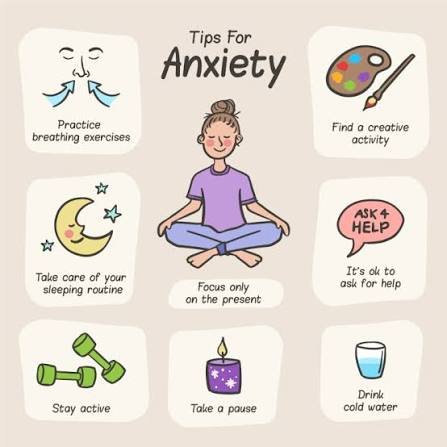
Anxiety is a natural human response to stress, uncertainty, or perceived danger. However, when feelings of worry, fear, or nervousness become persistent and begin affecting work, relationships, sleep, or daily activities, professional support may be helpful. Anxiety therapy Birmingham provides a structured way to understand anxious thoughts, develop coping skills, and work toward improved emotional well-being.
This guide explains what anxiety therapy is, how it works, the types of therapy available, and what someone can expect when seeking professional support.
What Is Anxiety Therapy?
Anxiety therapy is a form of professional mental health support designed to help people understand and manage anxiety-related symptoms and patterns. Therapy may focus on thoughts, emotions, behaviors, physical reactions, and life experiences that contribute to anxiety.
Anxiety can affect people in different ways. Some individuals may experience constant worry, while others may struggle with specific fears, social situations, panic symptoms, or stress related to major life changes.
The purpose of therapy is not necessarily to eliminate every feeling of anxiety. Some anxiety is a normal response to challenging situations. Instead, therapy can help a person develop healthier ways to respond when anxiety becomes overwhelming or disruptive.
Common Signs That Anxiety May Be Affecting Daily Life
Everyone experiences stress occasionally, but persistent anxiety may interfere with everyday activities. Common experiences can include:
- Frequent or difficult-to-control worry
- Feeling nervous, restless, or constantly on edge
- Difficulty concentrating
- Problems with sleep
- Physical tension
- Avoidance of certain places or situations
- Fear of social interactions or judgment
- Racing thoughts
- Panic-like symptoms
- Difficulty relaxing
These experiences can have different causes and do not automatically mean that someone has a particular condition. A qualified mental health professional can help assess symptoms and discuss appropriate support options.
How Does Anxiety Therapy Work?
Anxiety therapy typically begins with a conversation between the client and therapist. The therapist may ask about current concerns, personal history, stressful situations, emotional experiences, and goals for anxiety specialist Birmingham.
Together, the client and therapist may identify patterns such as:
- Situations that trigger anxiety
- Thoughts that increase fear or worry
- Behaviors that maintain avoidance
- Physical responses to stress
- Personal or environmental factors affecting well-being
The therapeutic approach depends on the individual’s needs. Some people benefit from structured, skills-based therapy, while others may prefer a more exploratory approach that examines emotional patterns and life experiences.
A good therapeutic relationship is also important. Many people benefit from working with a professional who listens carefully, communicates clearly, and creates an environment where they feel respected.
Types of Anxiety Therapy
Different forms of therapy may be used to support people experiencing anxiety.
Cognitive Behavioral Therapy
Cognitive Behavioral Therapy, often called CBT, focuses on the relationship between thoughts, emotions, and behaviors. A person may learn to identify unhelpful thinking patterns and develop more balanced ways of responding.
CBT can also include behavioral strategies that help individuals gradually face situations they have been avoiding.
Exposure-Based Approaches
For certain anxiety-related problems, exposure-based techniques may be used under the guidance of a qualified professional. These approaches generally involve gradually and safely approaching feared situations rather than continually avoiding them.
The process is typically planned and adjusted according to the individual’s needs.
Acceptance-Based Approaches
Some therapeutic approaches focus on accepting difficult internal experiences while developing the ability to act according to personal values. Instead of struggling with every anxious thought, a person may learn to notice thoughts and feelings without allowing them to control every decision.
Mindfulness-Based Strategies
Mindfulness techniques can help individuals become more aware of the present moment. These practices may involve noticing thoughts, emotions, or physical sensations without immediately reacting to them.
Mindfulness may be incorporated into therapy alongside other evidence-based approaches.
Psychodynamic and Exploratory Therapy
Some people want to explore deeper emotional patterns, relationships, past experiences, and recurring concerns. Exploratory approaches can help individuals understand how earlier experiences or long-standing patterns may influence their current emotional life.
What Happens During an Anxiety Therapy Session?
The experience varies depending on the therapist and therapeutic approach. During a session, a person might discuss recent events, stressful situations, emotional reactions, or personal goals.
A therapist may help the client:
- Identify anxiety triggers.
- Understand connections between thoughts and emotions.
- Practice coping strategies.
- Explore patterns of avoidance.
- Develop practical tools for managing stressful situations.
- Set realistic personal goals.
Some therapists may suggest exercises or reflections between sessions. These activities are intended to help clients practice new skills in everyday life.
Benefits of Anxiety Therapy
The benefits of therapy vary from person to person. However, people may seek anxiety therapy to improve their understanding of emotional patterns and develop practical strategies for handling difficult situations.
Potential benefits may include:
- Improved awareness of anxiety triggers
- Better emotional regulation skills
- Increased confidence in managing stressful situations
- Reduced avoidance behaviors
- Improved communication
- Healthier coping strategies
- Greater self-understanding
Progress is often gradual. Therapy is a process, and the amount of time needed can vary depending on the individual, their goals, and the complexity of their concerns.
How to Choose the Right Anxiety Therapist
Finding the right professional can make a meaningful difference. When searching for anxiety therapy, consider factors such as:
Professional Qualifications
Look for a properly qualified and licensed or accredited mental health professional according to the regulations in your location.
Experience
Some therapists have particular experience working with anxiety, panic, social anxiety, or stress-related concerns.
Therapeutic Approach
Ask about the methods the therapist commonly uses. Understanding their approach can help you decide whether it matches your preferences and goals.
Communication Style
You should feel reasonably comfortable communicating with your therapist. Therapy can involve discussing personal experiences, so trust and mutual understanding are important.
Practical Considerations
Think about session availability, location, online therapy options, fees, and accessibility.
Can Online Anxiety Therapy Be Helpful?
Online therapy has become an accessible option for many people. Depending on local regulations and professional services, therapy may be provided through secure video platforms.
Online anxiety therapy may be useful for people who:
- Prefer receiving support from home
- Have limited access to local services
- Have busy schedules
- Find travel difficult
- Feel more comfortable speaking in a familiar environment
However, online therapy may not be suitable for every situation. A qualified professional can discuss whether a particular service is appropriate for an individual’s needs.
Supporting Your Progress Outside Therapy
Therapy is often only one part of managing anxiety. Daily habits can also influence how people experience stress.
Helpful practices may include:
- Maintaining regular sleep habits
- Engaging in physical activity when appropriate
- Practicing relaxation techniques
- Staying connected with supportive people
- Creating manageable routines
- Limiting unnecessary exposure to stressful information
- Taking breaks when needed
These strategies are not replacements for professional care, but they may complement the skills developed during therapy.
Frequently Asked Questions About Anxiety Therapy
How long does anxiety therapy take?
The duration varies. Some people seek short-term support focused on specific goals, while others participate in therapy for a longer period.
Do I need severe anxiety to see a therapist?
No. People seek therapy for many reasons, including stress, recurring worry, life transitions, or a desire to better understand themselves.
Will therapy completely remove anxiety?
Anxiety is a normal human emotion, so the goal is not always to remove it completely. Therapy may help people develop healthier and more effective ways of responding to anxiety.
How do I know whether a therapist is right for me?
Consider whether you feel heard, respected, and comfortable communicating. It can also be useful to discuss goals and expectations early in the therapeutic process.
Final Thoughts
Anxiety therapy can provide a supportive and structured environment for understanding anxiety and developing practical coping strategies. Because anxiety affects people differently, the most appropriate therapeutic approach depends on individual experiences and goals.
Seeking professional support is not about having all the answers before starting. For many people, therapy begins with a simple conversation about what feels difficult and what they hope to change. With the right support, individuals can develop greater awareness, practical skills, and healthier ways of responding to life’s challenges.