
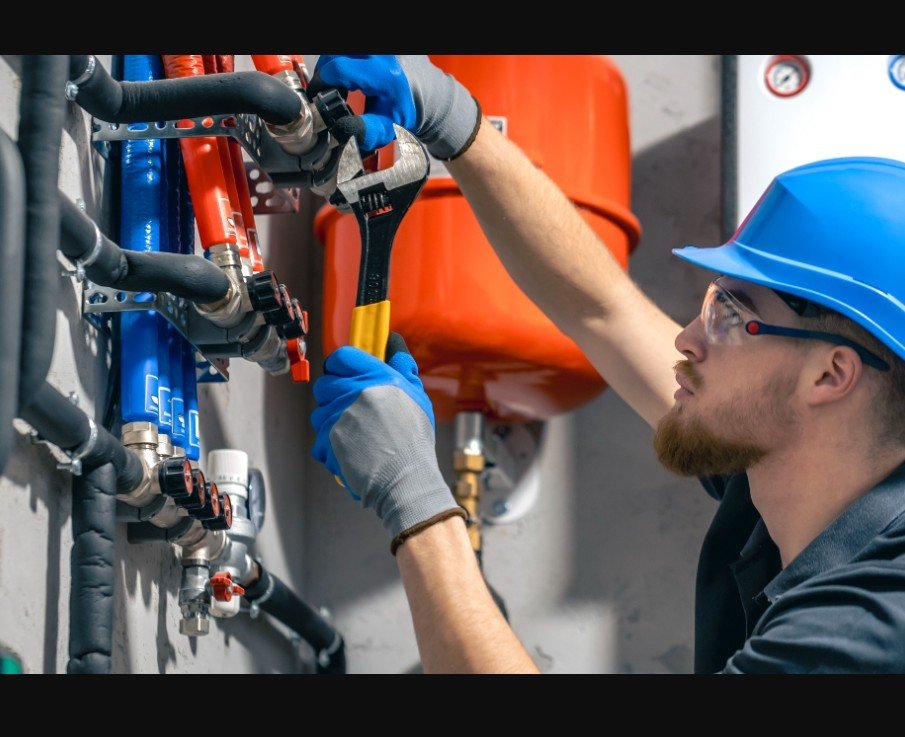
Plumbing is an essential part of modern living, ensuring the safe delivery of clean water and the efficient removal of waste. Whether in residential, commercial, or industrial settings, plumbing systems play a crucial role in maintaining hygiene, comfort, and functionality. A well-designed plumbing system not only provides convenience but also prevents costly repairs and water wastage.
Components of a Plumbing System
A standard plumbing system consists of two main subsystems: the water supply system and the drainage system. The water supply system delivers fresh water through a network of pipes, valves, and fixtures such as faucets, showers, and sinks, ensuring reliable access for everyday use. The drainage system, on the other hand, efficiently removes wastewater and directs it to sewer lines or septic tanks, maintaining hygiene and preventing contamination. In regions where professional services are essential, Antony Tisdale Plumbing is a plumbing service Lynchburg residents trust for maintaining these systems.
Key components of any plumbing system include pipes, fittings, valves, fixtures, and appliances. Pipes may be made from materials like copper, PVC, or PEX, each offering unique benefits in terms of durability, cost, and flexibility. Valves play a crucial role in controlling water flow and pressure, while fixtures provide convenient access to water for daily activities. Having a clear understanding of these components allows homeowners to make informed decisions about installation, upgrades, and routine maintenance.
Importance of Proper Plumbing Design
A properly designed plumbing system ensures efficient water flow, reduces pressure issues, and minimizes the risk of leaks. Poor design can lead to problems such as low water pressure, frequent clogs, and pipe corrosion.
Professional plumbers consider factors like pipe size, water pressure, and layout when designing systems. For example, larger pipes may be needed for high-demand areas, while proper venting is essential to prevent airlocks and ensure smooth drainage.
Common Plumbing Problems
Plumbing issues are inevitable over time, but many can be prevented with regular maintenance. Some of the most common problems include leaking faucets, clogged drains, running toilets, and low water pressure.
Leaking faucets often result from worn-out washers or seals, while clogged drains are usually caused by debris buildup such as hair, grease, or food particles. Running toilets can waste significant amounts of water, often due to faulty flapper valves. Identifying and addressing these issues early can save both water and money.
Maintenance Tips for Longevity
Regular maintenance is key to keeping a plumbing system in good condition. Homeowners should inspect pipes and fixtures for leaks, clean drains regularly, and monitor water pressure. Installing strainers in sinks and showers can help prevent clogs.
It is also advisable to schedule periodic inspections by professional plumbers. They can detect hidden issues such as pipe corrosion or leaks behind walls, ensuring timely repairs. Additionally, insulating pipes during colder months can prevent freezing and bursting.
Water Efficiency and Sustainability
Modern plumbing systems are increasingly focused on water efficiency. Low-flow fixtures, dual-flush toilets, and water-saving appliances help reduce water consumption without compromising performance.
Rainwater harvesting systems and greywater recycling are also gaining popularity, especially in areas facing water scarcity. These systems allow homeowners to reuse water for irrigation and other non-potable purposes, promoting sustainability and reducing utility bills.
Technological Advancements in Plumbing
Technology has revolutionized the plumbing industry. Smart plumbing systems now allow homeowners to monitor water usage, detect leaks, and control fixtures remotely through mobile apps. Leak detection sensors can alert users to potential issues before they become major problems.
Tankless water heaters are another innovation, providing hot water on demand while saving energy. These advancements not only improve convenience but also enhance efficiency and reduce environmental impact.
When to Call a Professional
While some minor plumbing issues can be handled with DIY solutions, more complex problems require professional expertise. Persistent leaks, sewer line issues, and major pipe repairs should always be addressed by licensed plumbers. Attempting to fix these problems without proper knowledge can lead to further damage and higher costs.
Conclusion
Plumbing is a vital aspect of modern infrastructure, ensuring access to clean water and proper waste management. By understanding the components, maintaining the system regularly, and embracing new technologies, homeowners can enjoy efficient and reliable plumbing for years to come. Investing in proper plumbing design and maintenance not only enhances comfort but also contributes to environmental sustainability.