
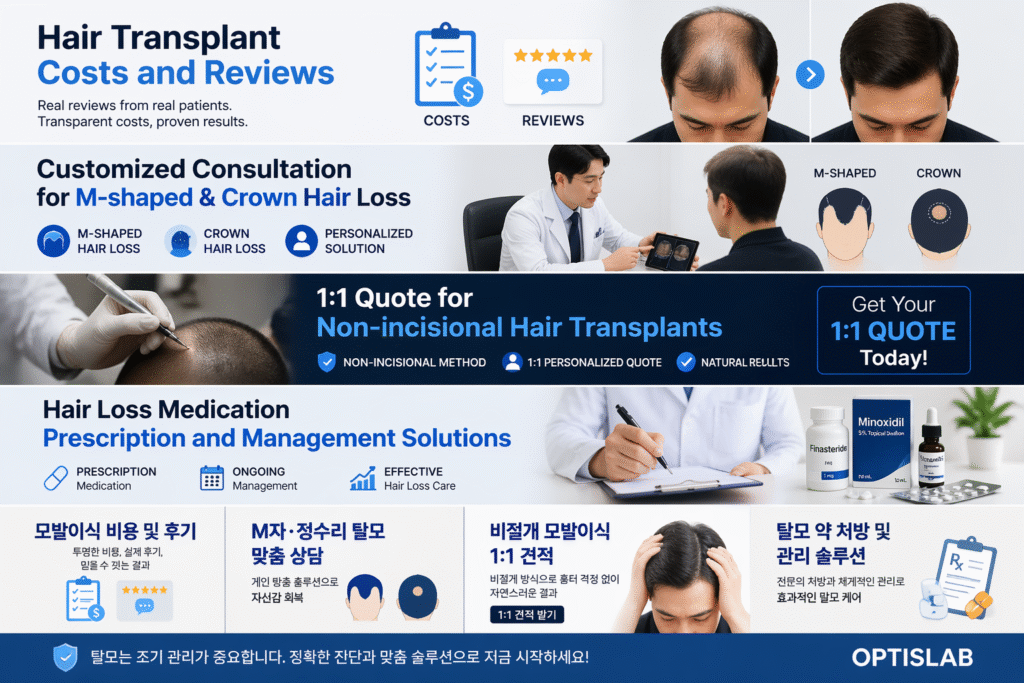
Hair loss is a common concern that affects millions of people around the world. Whether due to genetics, stress, age, or other factors, thinning hair can significantly impact self-esteem and confidence. For those looking for a solution to hair loss, hair transplant surgery offers a permanent and effective way to restore natural hair growth. However, one of the most common concerns when considering hair transplants is the cost, and understanding what to expect in terms of pricing, as well as reading hair transplant reviews, can help you make an informed decision. In this article, we will discuss everything you need to know about hair transplant costs and reviews or 모발이식 비용 및 후기, as well as the benefits of customized consultations for specific hair loss conditions such as M-shaped and crown hair loss.
What Is a Hair Transplant?
A hair transplant is a surgical procedure that involves moving hair follicles from one part of the body to another. This procedure is most commonly used to treat male pattern baldness, female pattern hair loss, and thinning or receding hairlines. There are two main types of hair transplant techniques: Follicular Unit Transplantation (FUT) and Follicular Unit Extraction (FUE). Both methods aim to restore hair growth in areas affected by hair loss, but they differ in their approach.
In FUT, a strip of skin is removed from the donor area (usually the back of the head), and the hair follicles are harvested from this strip before being transplanted into the recipient area. FUE, on the other hand, involves individually extracting hair follicles from the donor area and transplanting them into the areas where hair is thinning or absent.
Hair Transplant Costs: Understanding the Price Range
Hair transplant costs can vary significantly depending on a range of factors, including the location of the clinic, the expertise of the surgeon, the type of procedure chosen, and the extent of the hair loss. On average, the cost of a hair transplant can range from $4,000 to $15,000, but the price can go even higher depending on the complexity of the procedure and the number of grafts needed.
Several factors influence the overall cost of the treatment:
- Type of Procedure: FUE typically costs more than FUT because it is a more advanced and time-consuming technique. However, FUE offers a less invasive approach and faster recovery time, which may make it a more attractive option for some patients.
- Number of Grafts: The number of hair follicles that need to be transplanted directly affects the cost. If you require more grafts to achieve the desired density, the cost will be higher. For example, a smaller procedure involving 1,000 to 1,500 grafts may cost less, while a more extensive procedure requiring 3,000 or more grafts will cost more.
- Clinic Location: The cost of hair transplants can vary by location. Clinics in major metropolitan areas may charge higher prices due to demand, while clinics in smaller cities or regions may offer more affordable options. It’s important to factor in travel and accommodation costs if you are considering a clinic located far from your home.
- Surgeon’s Expertise: The reputation and experience of the surgeon also play a significant role in determining the cost. Highly skilled surgeons with a proven track record of successful results often charge more for their services. Although it may be tempting to choose the cheapest option, it’s essential to prioritize quality and expertise when selecting a surgeon.
Customized Consultation for M-shaped and Crown Hair Loss
When considering a hair transplant, it is essential to have a customized consultation to determine the best course of action for your specific hair loss pattern. Some individuals experience M-shaped hair loss, where the hairline recedes in the shape of the letter “M,” while others may suffer from crown hair loss, where thinning occurs at the top of the head. These different types of hair loss require tailored treatment plans.
During a customized consultation, the surgeon will assess the extent of your hair loss, evaluate the donor area, and recommend a personalized approach based on your unique needs. This consultation will include a thorough examination of the affected areas, as well as an analysis of the donor area to ensure that there are enough healthy hair follicles for transplantation. The surgeon will also discuss the expected outcomes of the procedure and provide a detailed explanation of the process, including potential risks and recovery time.
Customized consultations for M-shaped and crown hair loss are especially beneficial because these types of hair loss often require specific techniques to achieve natural-looking results. For example, M-shaped hair loss may require the surgeon to focus on restoring a natural, soft hairline, while crown hair loss may involve addressing a larger area of thinning hair.
Non-Incisional Hair Transplants: What Is the 1:1 Quote?
Non-incisional hair transplants, such as FUE, offer an advanced and minimally invasive solution for those looking to restore their hair without the need for large incisions. This procedure involves the extraction of individual hair follicles from the donor area, which are then transplanted into the recipient area. The advantage of non-incisional hair transplants is that they leave no linear scarring, making them ideal for those who prefer to wear their hair short.
When you undergo a non-incisional hair transplant, you may receive a 1:1 quote from the clinic. This quote refers to a detailed estimate that takes into account the number of grafts required, the specific techniques used, and the overall cost of the procedure. A 1:1 quote ensures that you have a clear understanding of the expenses involved in the treatment, with no hidden fees or surprise costs.
A 1:1 quote for non-incisional hair transplants can provide peace of mind by offering a transparent pricing structure. It allows you to compare prices from different clinics and determine which option best suits your budget and needs. Keep in mind that while a lower price may seem appealing, it’s essential to consider factors such as the surgeon’s expertise, the quality of care, and the clinic’s reputation when making your decision.
Hair Loss Medication Prescription and Management Solutions
While hair transplants provide a permanent solution to hair loss, they are not the only option for those looking to address thinning hair. Hair loss medications, such as minoxidil and finasteride, are commonly prescribed to help manage hair loss and promote regrowth. These medications can be used as standalone treatments or in conjunction with hair transplant surgery to enhance results.
Minoxidil is a topical solution that is applied directly to the scalp. It is available over-the-counter and is used to promote hair regrowth and slow the progression of hair loss. Finasteride, on the other hand, is an oral medication that works by inhibiting the hormone responsible for hair loss (DHT). Both medications have been shown to be effective in managing hair loss, but they require ongoing use to maintain results.
In addition to medications, many clinics offer comprehensive hair loss management solutions that include personalized treatment plans, lifestyle recommendations, and ongoing support. A hair loss medication prescription and management solution will help you maintain healthy hair while preventing further thinning and receding.
Reading Hair Transplant Reviews: What to Look For
Before committing to a hair transplant, it is essential to read reviews from other patients who have undergone the procedure. Hair transplant reviews can provide valuable insights into the experiences of others, helping you gauge the quality of the clinic and the results you can expect.
When reading hair transplant reviews, consider the following factors:
- Before and After Photos: Many clinics provide before-and-after photos of previous patients. These photos can give you a visual understanding of the results you can expect from the procedure.
- Patient Testimonials: Reviews from past patients can provide an honest perspective on the clinic’s services, including the quality of care, the professionalism of the staff, and the overall experience.
- Surgeon’s Expertise: Look for reviews that highlight the surgeon’s experience and expertise. A skilled surgeon with a proven track record is essential for achieving the best possible results.
- Post-Operative Care: Pay attention to reviews that mention the post-operative care provided by the clinic. Proper aftercare is crucial for ensuring optimal results and a smooth recovery process.
By reading hair transplant reviews, you can make an informed decision about where to undergo your procedure and ensure that you choose a clinic that aligns with your expectations and goals.
Conclusion
When considering a hair transplant, understanding the costs and reading reviews are crucial steps in making an informed decision. By seeking a customized consultation for M-shaped and crown hair loss or 탈모 약 처방 및 관리 솔루션, you can ensure that the procedure is tailored to your unique needs. Non-incisional hair transplants, such as FUE, offer a minimally invasive solution, and a 1:1 quote provides transparency in pricing. Additionally, hair loss medications and management solutions can complement your hair restoration efforts.
For more information on hair transplant costs and reviews, visit Hair Opti Lab, where you can find comprehensive resources and expert guidance on all aspects of hair restoration.