
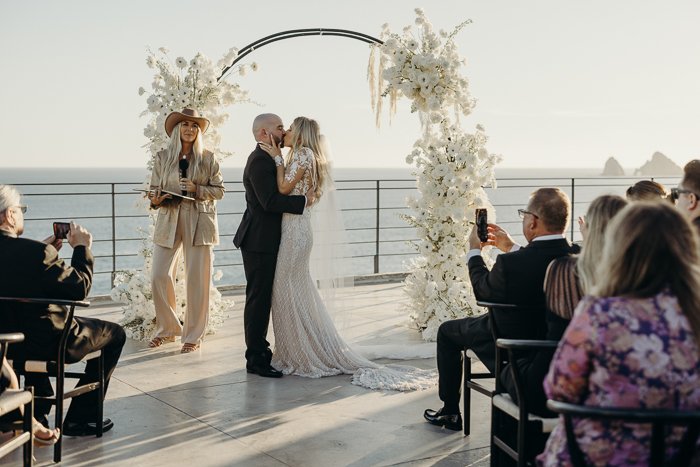
A wedding is a significant celebration that brings together couples, family members, and friends to mark the beginning of a shared life. Planning a wedding involves coordinating a venue, guest list, ceremony, reception, catering, photography, clothing, decorations, and other details.
Whether you are organizing an intimate gathering or a large celebration, a structured plan can help you manage the process and create an event that reflects your preferences. If you are looking for Lafayette wedding videographers call Lombas Film & Wedding Videography Co.
What Does Wedding Planning Involve?
Wedding planning is the process of organizing the practical and creative elements of a marriage celebration.
It typically includes selecting a date, establishing a budget, booking vendors, arranging guest accommodation, preparing invitations, and coordinating the event schedule.
Some couples manage these responsibilities independently, while others hire a professional wedding planner.
Start With a Realistic Wedding Budget
A wedding budget provides a framework for making decisions about the venue, catering, entertainment, and other expenses.
Begin by identifying your total available budget and the number of guests you expect to invite.
Common wedding expenses include:
- Venue rental and catering.
- Photography and videography.
- Wedding attire and accessories.
- Flowers and decorations.
- Entertainment and music.
- Invitations and stationery.
- Transportation.
- Accommodation.
- Wedding planning services.
It is useful to reserve part of the budget for unexpected costs.
Choose a Wedding Date and Venue
Your wedding date affects venue availability, vendor schedules, travel arrangements, and seasonal considerations.
Once you have an approximate guest count, begin comparing venues.
Consider whether you prefer an indoor reception, outdoor ceremony, hotel ballroom, garden celebration, or smaller restaurant gathering.
Confirm capacity, accessibility, parking, catering arrangements, and contract conditions before booking.
Organize Your Wedding Vendors
Wedding vendors provide specialized services that help bring the event together.
Common providers include photographers, caterers, florists, musicians, decorators, makeup artists, transportation companies, and wedding planners.
Request written quotations and confirm the scope of services, payment schedules, cancellation policies, and arrival times.
Keep contracts and contact details in one organized location.
Create a Practical Wedding Timeline
A wedding timeline helps coordinate activities and communicate expectations to vendors and participants.
A typical schedule may include:
- Guest arrival.
- Ceremony preparation.
- Wedding ceremony.
- Photography.
- Reception entrance.
- Dinner or refreshments.
- Speeches and celebrations.
- Entertainment.
- Closing arrangements.
Allow sufficient time for transitions, photographs, and unexpected delays.
Wedding Invitations and Guest Management
Invitations should clearly communicate the date, location, start time, dress expectations, and RSVP instructions.
For destination weddings or celebrations involving traveling guests, provide accommodation and transportation information early.
Maintain an updated guest list that records responses, dietary requirements, and seating arrangements.
Personalizing Your Wedding
Couples can personalize their wedding through music, cultural traditions, family participation, decorations, food selections, and ceremony details.
The goal is to create an event that reflects their preferences while considering guest comfort and practical requirements.
Why Consider a Wedding Planner?
A wedding planner may help coordinate vendors, manage schedules, organize setup, and address logistical issues.
Some planners offer full-service planning, while others provide partial planning or event-day coordination.
Before hiring one, confirm responsibilities, communication arrangements, fees, and availability.
Conclusion
Planning a wedding involves many interconnected decisions, but a clear budget, organized timeline, and reliable vendors can make the process more manageable.
By focusing on your priorities and confirming important details early, you can create a celebration that is meaningful, organized, and welcoming for your guests.