
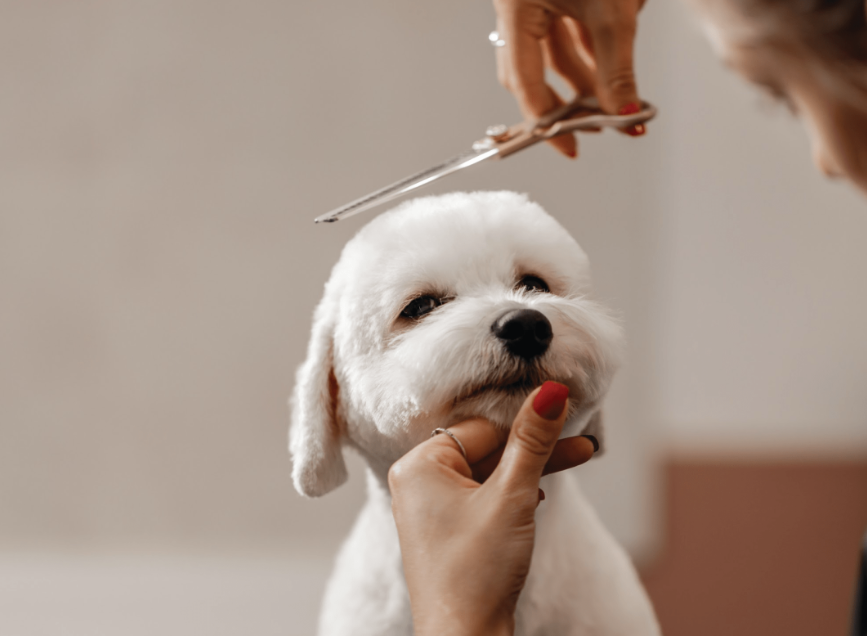
Dog grooming is much more than simply making a pet look attractive. It is a vital aspect of responsible pet ownership that contributes to a dog’s overall health, comfort, and well-being. Regular grooming helps prevent skin infections, reduces excessive shedding, keeps parasites at bay, and allows owners to detect health problems early. Whether you own a playful puppy or a senior companion, establishing a consistent grooming routine ensures your furry friend remains clean, healthy, and comfortable throughout every stage of life.
Many people believe grooming is only necessary for long-haired breeds, but every dog benefits from proper grooming regardless of coat length. From brushing and bathing to nail trimming and ear cleaning, each grooming task plays a significant role in maintaining your dog’s physical and emotional health.
Why Dog Grooming Is Essential
Regular grooming provides numerous benefits beyond maintaining a neat appearance. Brushing removes loose hair, dirt, and debris while distributing natural skin oils throughout the coat, resulting in healthier and shinier fur. Frequent grooming also reduces matting, which can become painful and lead to skin irritation.
Another important advantage is early health detection. During grooming sessions, owners can identify lumps, cuts, rashes, parasites, or unusual skin changes before they become serious medical issues. Additionally, routine grooming helps strengthen the bond between dogs and their owners by creating positive, trust-building experiences. For dog grooming Greensboro call Vickie’s Pampered Pet.
Brushing: The Foundation of Grooming
Brushing is one of the most important parts of any grooming routine. Different breeds require different brushing frequencies based on their coat type.
Short-haired dogs generally need brushing once or twice a week to remove loose hair and stimulate healthy skin. Medium-haired breeds benefit from brushing several times weekly to prevent tangles. Long-haired breeds often require daily brushing to avoid painful mats and knots.
Selecting the correct brush is equally important. Slicker brushes work well for removing tangles, while bristle brushes help smooth short coats. Undercoat rakes are excellent for double-coated breeds during shedding seasons. Gentle brushing sessions not only improve coat quality but also provide a relaxing massage for your pet.
Bathing Your Dog Properly
Bathing helps remove dirt, allergens, bacteria, and unpleasant odors from your dog’s coat. However, excessive bathing can strip natural oils from the skin, causing dryness and irritation.
Most dogs only require a bath every four to eight weeks, although active dogs or those with skin conditions may need more frequent cleaning based on veterinary advice. Always use shampoos specifically formulated for dogs, as human shampoos can disrupt their skin’s natural pH balance.
Before bathing, thoroughly brush the coat to remove loose hair and mats. Use lukewarm water, gently massage the shampoo into the fur, rinse thoroughly, and dry the coat completely using towels or a pet-safe dryer on a low heat setting.
Nail Care and Paw Maintenance
Overgrown nails can cause discomfort, pain, and even affect a dog’s posture and movement. Long nails may split, crack, or curl into the paw pads if neglected.
Trim your dog’s nails every three to four weeks or whenever you hear clicking sounds on hard floors. Use high-quality dog nail clippers or grinders designed specifically for pets. If you’re unsure how much to trim, consult a professional groomer or veterinarian to avoid cutting the quick, which contains blood vessels and nerves.
Regularly inspect paw pads for cracks, cuts, embedded objects, or signs of infection. Keeping the fur between paw pads neatly trimmed also improves traction and cleanliness.
Ear, Eye, and Dental Hygiene
Healthy ears are crucial for preventing infections, particularly in breeds with floppy ears. Check your dog’s ears weekly for redness, foul odors, excessive wax, or discharge. Clean them gently using veterinarian-approved ear cleaners and soft cotton pads.
Eye care is equally important. Wipe away tear stains or debris with a clean, damp cloth to prevent irritation. If you notice persistent redness, excessive tearing, or discharge, seek veterinary attention promptly.
Dental hygiene is often overlooked but significantly impacts overall health. Brush your dog’s teeth several times a week using dog-specific toothpaste and toothbrushes. Regular dental care helps prevent plaque buildup, gum disease, bad breath, and tooth loss.
Professional Grooming Services
While many grooming tasks can be performed at home, professional groomers provide specialized services that may be difficult for owners to perform safely. Professional grooming typically includes bathing, brushing, haircutting, nail trimming, ear cleaning, gland expression when necessary, and coat styling according to breed standards.
Certain breeds, such as Poodles, Shih Tzus, Bichon Frises, and Cocker Spaniels, benefit greatly from regular professional grooming due to their continuously growing coats.
Professional groomers are also experienced in handling anxious or uncooperative dogs, making the grooming experience safer and less stressful.
Common Grooming Mistakes to Avoid
Many pet owners unintentionally make grooming mistakes that can affect their dog’s health. Using human shampoo, skipping regular brushing, neglecting nail trimming, or bathing too frequently are among the most common errors.
Another mistake is ignoring small mats. Mats can tighten against the skin, causing pain, restricted movement, and even infections. Attempting to cut mats with scissors without proper training can also lead to accidental injuries.
Consistency is key. Establishing a regular grooming schedule prevents many common problems before they develop.
Creating a Positive Grooming Routine
Dogs respond best when grooming is introduced gradually and associated with positive experiences. Begin grooming sessions while your dog is young whenever possible. Keep sessions short, offer praise, treats, and gentle encouragement throughout the process.
Use calm handling techniques and avoid forcing your dog if they become frightened. With patience and consistency, most dogs learn to enjoy grooming as part of their normal routine.
Developing a predictable schedule also helps reduce anxiety, making each grooming session easier for both the owner and the pet.
Conclusion
Dog grooming is an essential investment in your pet’s long-term health, happiness, and quality of life. Regular brushing, bathing, nail trimming, ear cleaning, eye care, and dental hygiene work together to prevent illness while keeping your dog comfortable and looking its best. Whether grooming at home or visiting a professional groomer, maintaining a consistent routine strengthens the bond between you and your companion while promoting lifelong wellness. By making grooming a regular habit, you are giving your dog the care, comfort, and attention they deserve every single day.