
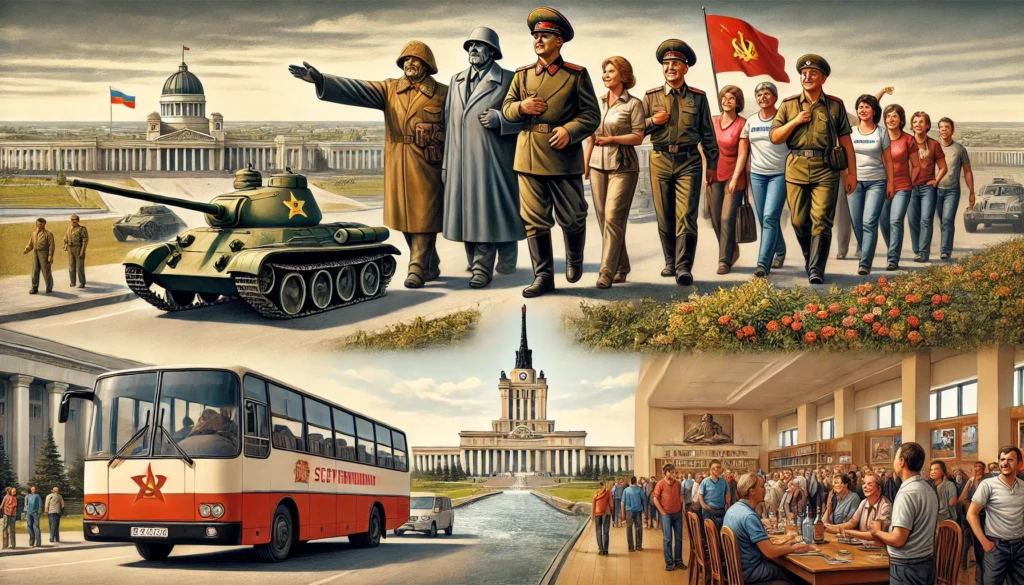
A journey from Chișinău to Transnistria is one of the most unique and politically fascinating day trips you can undertake in Europe. The Pridnestrovian Moldavian Republic (PMR), known as Transnistria, is a narrow, self-declared state along the Dniester River that broke away from Moldova following a brief civil war in 1992. Despite its declaration of independence, Transnistria is not recognized by any United Nations member state and operates with its own government, currency, and Soviet-era atmosphere.
Visiting Transnistria can be a complex and politically charged experience, so a guided day trip to Transnistria from Chișinău is not just recommended but essential for gaining a deep understanding of the region’s peculiar status and history. A City tours in Moldova typically takes travelers through the more familiar sights of Chișinău, but a day trip to Transnistria introduces visitors to an entirely different world—one that offers a window into the post-Soviet era and the enduring influence of Russian and Soviet nostalgia.
Why Choose a Guided Tour?
Transnistria is a place where the complexities of post-Soviet politics are felt in every corner. Although visiting the region independently is technically possible, there are multiple challenges that can complicate the experience. One of the most important considerations is that visitors are required to register with the Ministry of State Security within 24 hours of entering Transnistria. For tourists booking through a reputable tour operator, this process is typically managed automatically, but for independent travelers, the registration can become a hassle.
In addition, travelers need to navigate the use of two currencies: the PMR Rubles (non-convertible plastic coins) and the Moldovan Lei or Euros, which are sometimes accepted. You’ll also find yourself immersed in a mix of languages—primarily Romanian (Moldovan), Russian, and Ukrainian, which can make communication tricky without a knowledgeable guide. Finally, the symbolism in statues, the narratives in museums, and the general atmosphere of Transnistria require an expert interpreter to fully understand the meaning behind them.
Opting for a guided city tour in Moldova solves all these issues. Experienced tour operators who specialize in Transnistria handle all the logistics—from ensuring that your registration with the Transnistrian authorities is completed in advance, to managing currency exchanges, and ensuring that you smoothly pass through military-style checkpoints. More importantly, these expert guides provide context and interpretation of the political, social, and historical nuances of Transnistria, turning a simple sightseeing excursion into a profound learning experience.
Suggested Itinerary: A Classic Day Trip to Tiraspol & Bendery
The most common and well-established route for day trips to Transnistria from Chișinău is a journey that includes visits to the key political and historical sites in the capital city of Tiraspol and the nearby town of Bendery (Tighina). The following itinerary is typically followed by most quality tours, allowing visitors to experience the heart of Transnistria and understand the region’s unique place in history.
Morning Departure & The Border Crossing:
Your day begins with an early pick-up from your hotel in Chișinău, and after a scenic 1.5-hour drive east, you’ll reach the Dniester River, where the de facto border between Moldova and Transnistria is located. At the border, your guide will manage the process of crossing through the military-style checkpoints and interacting with Transnistrian border guards. For tourists on pre-registered tours, this process is typically smooth and straightforward. However, it’s an unforgettable moment, as you’ll realize you are entering a different political reality, and from that point on, your experience will be like stepping back in time to the late Soviet era.
Tiraspol: The Capital of a Non-State
The first major stop on your day trip to Transnistria is the capital city of Tiraspol. Walking through Tiraspol is like stepping into a Soviet-era time capsule frozen in the early 1990s. As the administrative heart of Transnistria, Tiraspol offers a glimpse of the region’s Soviet heritage, and the symbolism of Russian and Soviet influence is palpable throughout the city.
Key highlights include:
- The Main Square & Suvorov Monument: Dominating the city’s central square is a monumental statue of Russian General Alexander Suvorov, the founder of the city. Suvorov’s statue epitomizes the Russian military influence that permeates the region and sets the tone for Tiraspol’s Soviet-inspired ambiance.
- The Government Building & Lenin Statue: One of the last remaining public statues of Vladimir Lenin in Eastern Europe stands here, facing the stark, functional government headquarters. This monument offers a poignant visual reminder of the region’s ideological ties to the Soviet past.
- The Tiras (Dniester) River Embankment: A tranquil walk along the river embankment offers picturesque views of the Dniester River and an opportunity to absorb the atmosphere of a peaceful, albeit melancholic, provincial city. The relaxed pace of life in Tiraspol provides a sharp contrast to the more dynamic cities of Europe.
- Kvint Brandy Factory & Store: For many, a visit to Transnistria wouldn’t be complete without a stop at Kvint, the region’s most famous brandy producer. Founded in 1897, Kvint is an iconic part of Transnistrian culture. A visit to the Kvint Brandy Factory includes a tour of the facilities, followed by a tasting session where you can sample their renowned brandy, which is one of the region’s few internationally recognized exports.
Bendery (Tighina): The Fortress & The Conflict
In the afternoon, the tour typically moves on to the town of Bendery (Tighina), located just a short distance from Tiraspol. Bendery is a town of great historical importance, particularly for its role in the 1992 war between Moldova and Transnistria, which led to Transnistria’s declaration of independence. The town’s key attractions shed light on the recent conflict and its ongoing political tensions.
- The Bendery Fortress: This 16th-century Ottoman fortress is one of the most prominent historical sites in Bendery. The fortress has withstood centuries of invasions and is a symbol of Moldova’s struggle for autonomy. Today, visitors can tour the fortress and visit its museum, which offers a distinctly Transnistrian perspective on the 1992 war.
- The Tank Monument & War Memorials: Located near the fortress, these memorials honor those who fought during the 1992 war for Transnistria’s separation from Moldova. Preserved tanks and war memorials are a stark reminder of the recent conflict and the ongoing struggles in the region. Your guide will offer a detailed explanation of the events that transpired and the tensions that still simmer beneath the surface.
Return to Chișinău
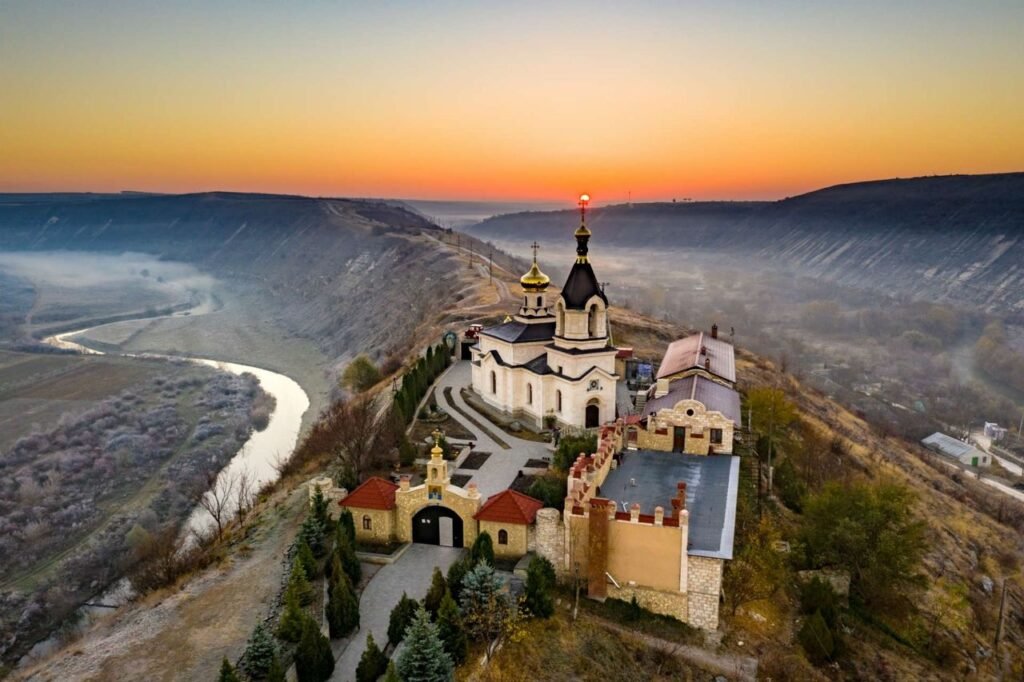
The tour concludes with the drive back across the Dniester River into Moldova. On the return trip, there’s ample time to reflect on the stark contrasts between Moldova and Transnistria. The peaceful surroundings of Moldova’s villages are in sharp contrast to the entrenched political atmosphere of Transnistria, offering a unique perspective on the region’s identity and complex geopolitical situation.
Choosing Your Tour Operator & Essential Tips
A successful and insightful trip to Transnistria depends on choosing the right operator. Not all city tours in Moldova offer the expertise or access required for a visit to Transnistria. When selecting your tour operator, look for those specializing in Day trips to Transnistria and Soviet heritage tours. Companies such as Moldova Holidays, Noble Travel, and Ahead & Around are reputable and well-known for their expertise in arranging these politically sensitive trips.
Private vs. Small Group Tours
Given the sensitive and complex nature of the subject matter, a private tour is strongly recommended. It allows for a more personalized experience, offering the chance to engage in deeper, more candid discussions with your guide. It also gives you more flexibility to ask questions about the ongoing political situation or any concerns you might have. Small group tours are an option, but the intimate nature of a private tour ensures you’ll have a more engaging experience.
Passport Essentials
You’ll need to bring your passport with you, as Transnistrian authorities will provide you with a separate entry slip upon arrival. This slip must be surrendered when you exit the region. Be sure that your passport has at least six months of validity remaining.
Photography Etiquette
While Transnistria is a fascinating place to capture in photographs, there are strict rules about what you can and cannot photograph. Avoid taking pictures of military installations, checkpoints, soldiers, and government buildings. Always follow your guide’s instructions, and when in doubt, ask before snapping a photo.
Currency & Purchases
PMR Rubles are the local currency in Transnistria, and they are often available only for small purchases such as souvenirs, drinks, or brandy. Your guide will help you exchange money in advance. It’s also important to note that cards are rarely accepted, so it’s a good idea to carry cash in small denominations.
Respect the Local Culture
Transnistria has a distinct identity shaped by its Soviet past. While the region remains politically sensitive, approach your visit with curiosity and respect. Understand that you are entering a place with a complex history, and be mindful of the region’s political tensions. Listening more than offering opinions will help you have a more enriching experience.
Conclusion
A guided city tour and Day trips to Transnistria from Chișinău is not just a sightseeing excursion—it’s a journey into the heart of a geopolitical anomaly. The experience allows you to explore the complicated history, identity, and conflict of this self-declared republic. Through the expertise of a knowledgeable guide, you’ll gain invaluable insights into the Soviet-era remnants of Transnistria, as well as the more recent political struggles that continue to shape the region.For those interested in European history, political conflict, and the complexities of post-Soviet identity, a visit to Transnistria is an unforgettable and eye-opening experience. Whether you’re a curious traveler or someone with a keen interest in geopolitics, this guided excursion will provide you with a unique perspective on a place that defies simple categorization. Don’t miss the opportunity to explore this fascinating region with a guided day trip to Transnistria, and discover a corner of Europe that remains trapped between past and present.